If your child has a cavity in a baby tooth, you may find yourself wondering whether it really needs to be treated. After all, that tooth is eventually going to fall out. Is it worth putting your child through a dental appointment for a tooth that isn't permanent?
Yes. Baby teeth may be temporary, but they play an important role while they're in place. A cavity can cause pain, spread into the deeper parts of the tooth, and lead to an infection that may affect the developing permanent tooth underneath. Baby teeth also help children chew, speak, and maintain the space their adult teeth will eventually need.
Dr. Liu, Dr. Alkhunaizi, Dr. Patel, Dr. Le-Lassiter, Dr. Zorc and Dr. Lee, all hear this question from parents in the DC area all the time. The good news is that treating a cavity early is usually much simpler than waiting until the tooth becomes painful or infected.
It's easy to think of baby teeth as placeholders that simply need to last until permanent teeth arrive. In reality, they're doing important work throughout childhood.
Healthy teeth make it easier for children to chew a variety of foods. When a tooth becomes sensitive or painful, a child may start avoiding certain foods or chewing on only one side of their mouth.
That can be especially frustrating when young children don't always know how to explain what's bothering them. Instead of saying, "My tooth hurts," they may simply refuse dinner, become irritable, or avoid foods they previously enjoyed.
Baby teeth also play a role in learning to speak. The tongue and lips interact with the teeth to produce certain sounds, so losing or damaging front teeth earlier than expected can sometimes affect the way a child forms sounds while speech is still developing.
Perhaps one of their most important jobs is helping guide the permanent teeth into position. Baby teeth occupy the spaces where permanent teeth will eventually erupt. When a baby tooth is lost naturally, its permanent replacement is usually close behind. When decay causes a tooth to be lost years before it was supposed to come out, neighboring teeth can shift into the open space.
That can leave less room for the permanent tooth when it's ready to erupt. Depending on the situation, a dentist may recommend a space maintainer to help preserve that space.
So while baby teeth are temporary, they're not unimportant. They're part of your child's developing mouth, and keeping them healthy for as long as they're supposed to remain is an important part of pediatric dental care.
A cavity doesn't necessarily start as a large, obvious hole. Decay can begin in areas that are difficult for parents to see, including between teeth, along the gumline, or in the grooves of back teeth.
Baby teeth also have thinner enamel than permanent teeth. Once decay moves through the enamel and into the softer dentin underneath, it can progress toward the center of the tooth relatively quickly.
The progression generally looks something like this:
The earliest changes may be difficult to see at home. A dentist may notice areas of weakened enamel during a routine examination before a child experiences any discomfort. This is one reason regular dental visits matter. Finding decay at this stage can mean addressing a much smaller problem.
Once decay moves beyond the enamel, it reaches dentin, which is softer and more susceptible to progression. A child may begin experiencing sensitivity at this point, although young children don't always recognize or communicate dental discomfort clearly.
At the center of the tooth is the pulp, which contains nerves and blood vessels. If decay reaches this area, the tooth can become painful and infected. At that point, treatment is generally more involved than it would have been if the cavity had been addressed earlier.
An infection involving a baby tooth can cause swelling, discomfort, or an abscess. Because the developing permanent tooth is located beneath the primary tooth, an infection is something we take seriously. This is the part of the "it's going to fall out anyway" argument that often gets overlooked. The baby tooth may eventually be replaced, but an untreated infection can create problems before that happens.
Sometimes the first indication of a cavity isn't a visible hole in the tooth. Instead, parents notice a change in their child's behavior.
A child may start:
Some children won't complain about pain at all. That's one reason it's important not to use the absence of pain as a reason to assume a cavity is harmless. If you notice a spot on your child's tooth or something about their eating or behavior seems different, it's worth having the tooth evaluated rather than waiting for symptoms to become more obvious.

The appropriate treatment depends on several factors, including how extensive the decay is, which tooth is affected, and how long that tooth is expected to remain in your child's mouth. A small cavity may be treated with a filling. If decay has progressed further, a child may need a more extensive restoration, such as a crown, to protect the remaining tooth structure.
In some situations, a tooth may be too damaged to save or may be close enough to its natural time of eruption that removing it makes more sense. When a primary tooth needs to be removed early, we also consider what that means for the space needed by the developing permanent tooth. The goal is to consider the health and development of your child's entire mouth and choose an approach that makes sense for where they are in that process.
One of the biggest reasons we encourage parents not to wait is that a small cavity is generally easier to manage than a tooth with extensive decay.
Early treatment may mean a relatively straightforward appointment. Waiting can allow the decay to progress toward the nerve, potentially resulting in more involved treatment, discomfort, swelling, or infection.
This can also affect how a child experiences dental care. A child who has a positive, manageable experience addressing a small problem may have a very different experience from a child who arrives in significant pain and needs urgent treatment.
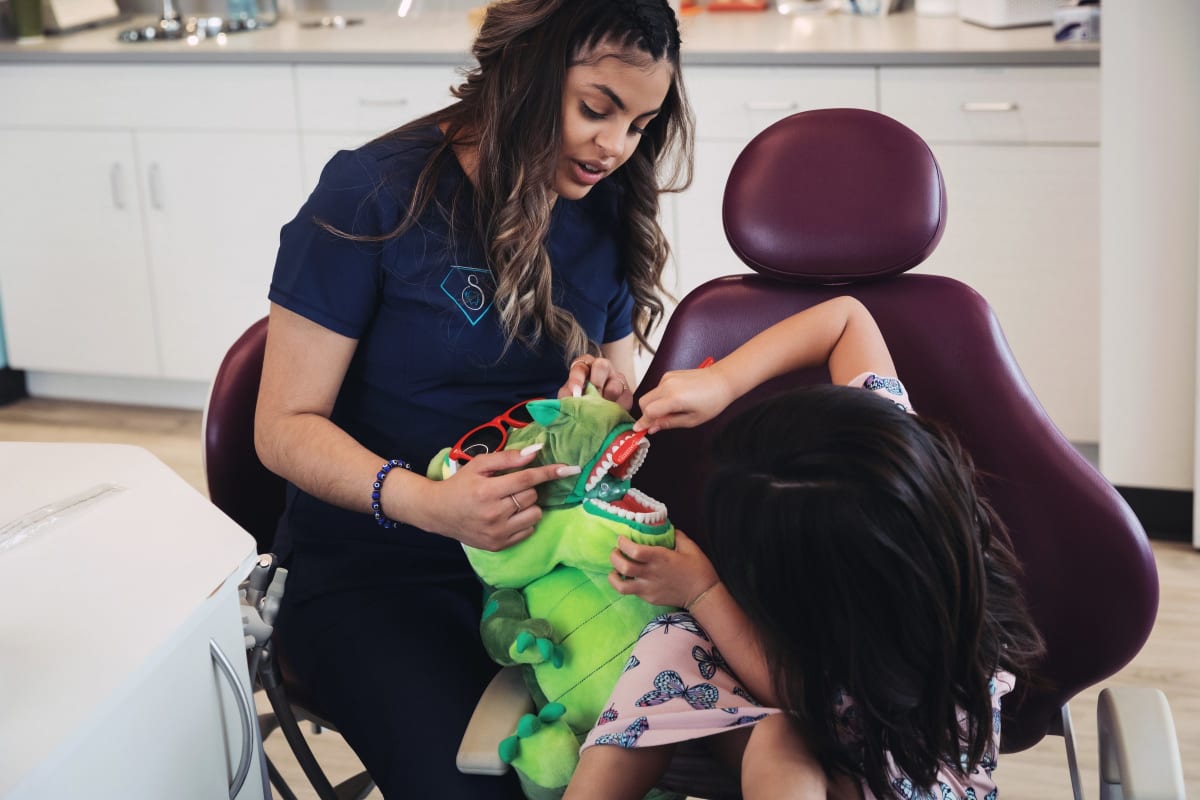
Children aren't simply smaller versions of adults. Their appointments need to account for their age, attention span, comfort level, and previous experiences with dental care.
The team takes the time to explain what is happening in an age-appropriate way and work with each child individually. For children who are particularly anxious or have difficulty sitting through treatment, the team can also discuss appropriate options for making dental care more comfortable.
Sometimes the answer may be different depending on the tooth and how close it is to naturally falling out. Not every cavity automatically requires the same treatment. That's why it's important to have the tooth evaluated rather than making the decision based solely on its age.
For example, a baby tooth that's expected to fall out very soon may be managed differently from a primary molar that is supposed to remain in place for several more years. The extent of the decay matters, too.
A pediatric dentist can evaluate the tooth and explain whether treatment, monitoring, or another approach makes the most sense. The important distinction is between a tooth that is appropriately nearing the end of its normal lifespan and a tooth that still has years of work left to do.
The best cavity is the one we don't have to treat. Fortunately, there are several practical things parents can do to reduce the risk of decay.
Young children generally need help brushing because they don't yet have the coordination to clean every surface effectively. An adult should help or supervise brushing until the child can reliably do a thorough job independently. Fluoride toothpaste can be used in an age-appropriate amount.
It's not only how much sugar a child consumes that matters. How frequently teeth are exposed to sugary or starchy foods and drinks also plays a role. Water between meals is a simple way to reduce repeated exposure to sugars and acids.
Once your child's teeth touch each other, brushing alone can't clean the areas between them effectively. Flossing helps remove plaque and food from those spaces.
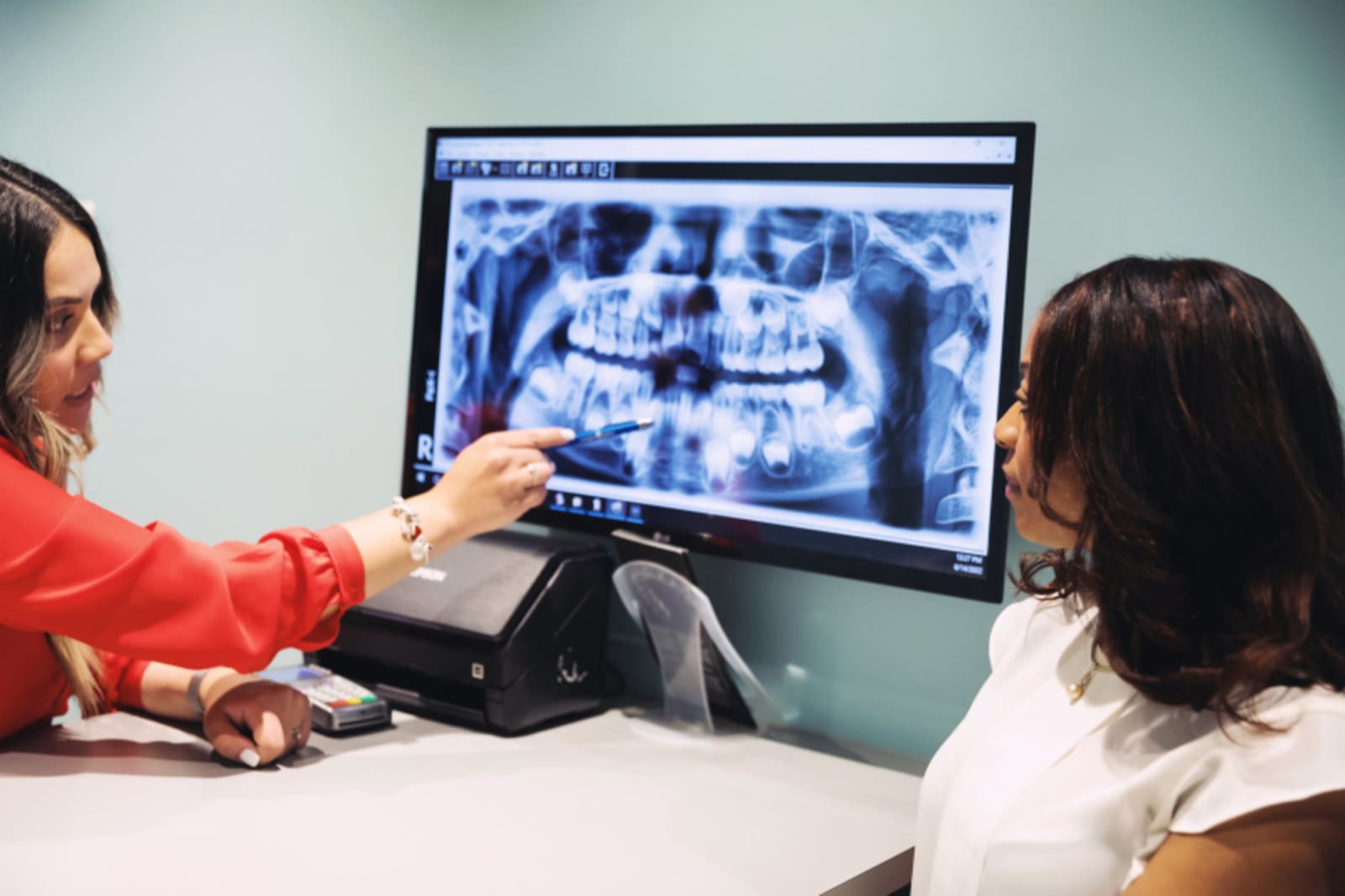
Regular dental visits give us the opportunity to monitor your child's teeth as they develop and identify potential problems before they become emergencies. These visits are also about prevention and education. We can help you understand your child's specific risk factors and make adjustments to their home routine when needed.
It's best not to assume that a cavity is harmless simply because your child isn't experiencing pain. Decay can progress significantly before symptoms become noticeable. Having the tooth evaluated can help determine how urgent the situation actually is.
That depends on how soon the tooth is expected to be lost and how extensive the decay is. A pediatric dentist can evaluate both factors and explain whether treatment is necessary or whether monitoring is appropriate.
It can. An infection involving a primary tooth may affect the developing permanent tooth underneath it. This is one reason untreated decay in baby teeth should not simply be ignored.
Losing a primary tooth prematurely can allow neighboring teeth to shift into the space intended for the permanent tooth. Depending on the tooth and your child's stage of development, a space maintainer may be recommended.
Not necessarily. Treatment depends on the size and location of the cavity, the condition of the tooth, and how long the tooth is expected to remain in place. A filling may be appropriate for some cavities, while more extensive decay may require another type of treatment.
Dental anxiety is common, especially when a child has never experienced treatment before or has previously had an uncomfortable appointment. Pediatric dental care is designed around children's needs, and we can adjust the pace of a visit, spend more time helping a child feel comfortable, and discuss additional options when appropriate.
If you've noticed a dark spot, a change in your child's eating habits, or something else that makes you wonder whether a cavity is developing, you don't have to figure it out on your own.
The team at SuperKids Pediatric Dentistry can evaluate your child's teeth, explain what they see, and help you understand whether treatment is needed. The earlier a cavity is identified, the more options you may have for addressing it simply and comfortably.
If you're around the DC area, and concerned about a cavity in your child's baby tooth, call SuperKids Pediatric Dentistry at (703) 774-0014 to schedule an evaluation in any of our five convenient locations:

We can’t wait to meet you! Contact one of our five convenient locations around the DC area.
We are excited to announce the GRAND OPENING of our fifth Superkids office in Mt Vernon, VA. Accepting new patients starting January 16th, 2023!

