
A dental sealant is a thin protective coating applied to the chewing surfaces of your child's back molars, right where deep grooves trap food and cavities usually start. It takes minutes per tooth, and most kids leave without giving it a second thought. Dr. Liu and the team at SuperKids Pediatric Dentistry place sealants in our Sterling office on Westlake Drive, often during the same visit as your child's cleaning.
Maybe a hygienist pointed out a "sticky spot" on a molar. Maybe your child just had a first filling and you'd rather not go through that again. Sealants are one of the simplest preventive steps you can take. They don't replace brushing, but they do protect the one area a six-year-old's toothbrush rarely reaches well.
Questions before you book? Call our Sterling office at (703) 774-0014 and we'll walk you through it.
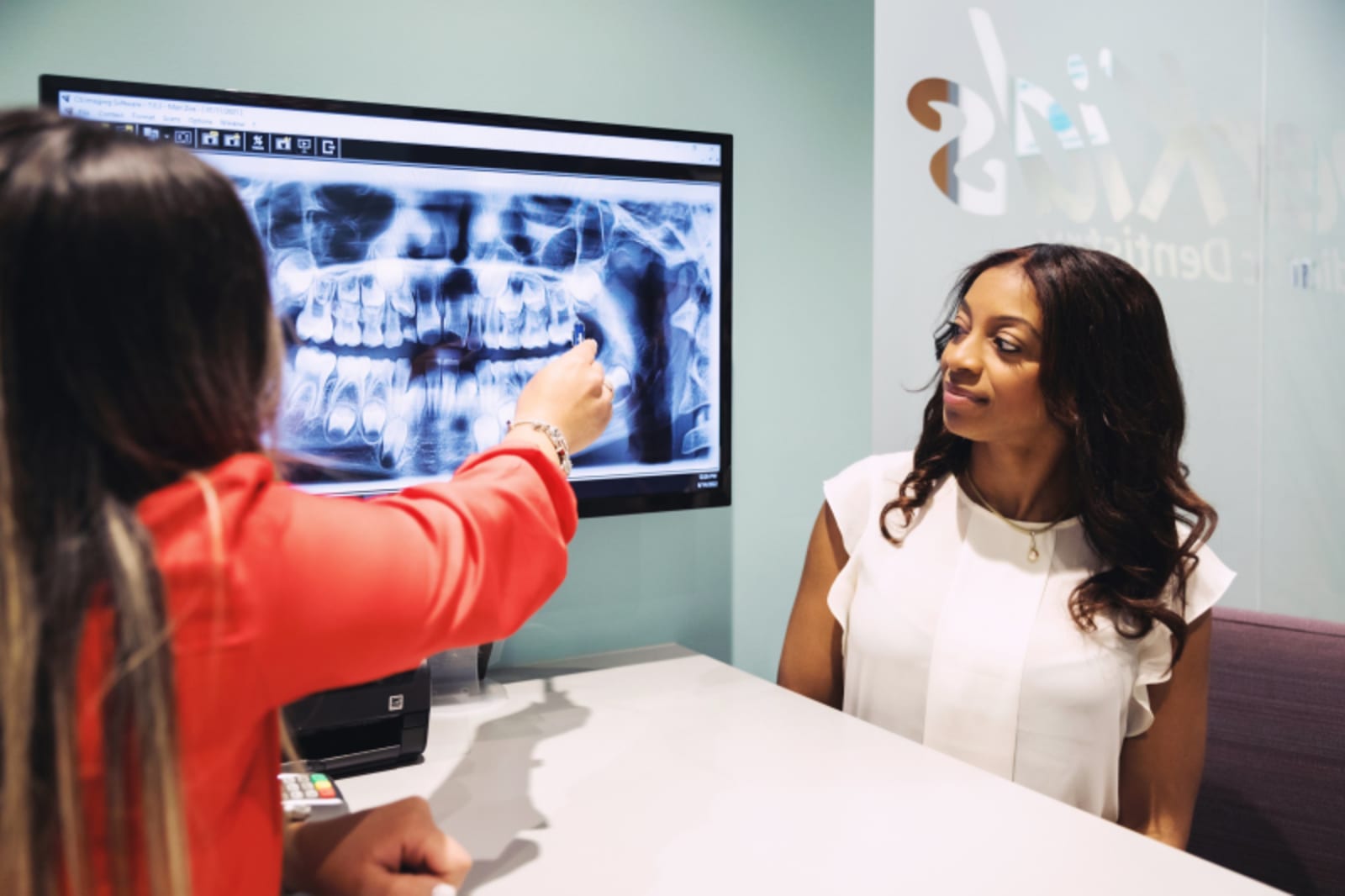
Kids handle this appointment well, but it helps to know the steps so you can walk your child through it beforehand. Here is exactly what happens at our Sterling office.
We look at which permanent molars have come in and how deep their grooves are. A quick digital X-ray confirms there is no hidden decay underneath. Only clean, healthy chewing surfaces get sealed.
The surface is polished so nothing gets trapped under the coating. Most kids say this part feels a little tickly, nothing more.
This gel helps the sealant bond to the tooth. It rinses away after a few seconds and tastes a little sour, which is honestly the worst of it.
The sealant flows in as a thin liquid, filling all the grooves on the chewing surface. Nothing goes inside the tooth.
A small blue light hardens the coating in just a few seconds. We check the bite, and your child is all done.
This is the sweet spot. Sealing a molar shortly after it comes in gives the coating a clean surface to grip, before anything has had a chance to settle into the grooves. A routine preventive visit is usually when we spot a molar that's ready.
If your child has already had decay, or their grooves are especially deep and narrow, sealants become even more important. When there's a pattern of early childhood tooth decay, we'll sometimes recommend sealing baby molars too.
Sensory differences, limited dexterity, or a strong aversion to brushing the back teeth all make preventive coverage more valuable. We care for children with special needs regularly and pace these visits around what your child can handle that day.
A molar with decay that has gone deeper than the surface, or one that already has a filling, is not a sealant candidate. That tooth needs a tooth-colored filling instead. Fluoride treatments and a solid hygiene routine handle the smooth surfaces and the spaces between teeth, which sealants cannot reach. We will always walk you through which option makes sense before recommending anything.
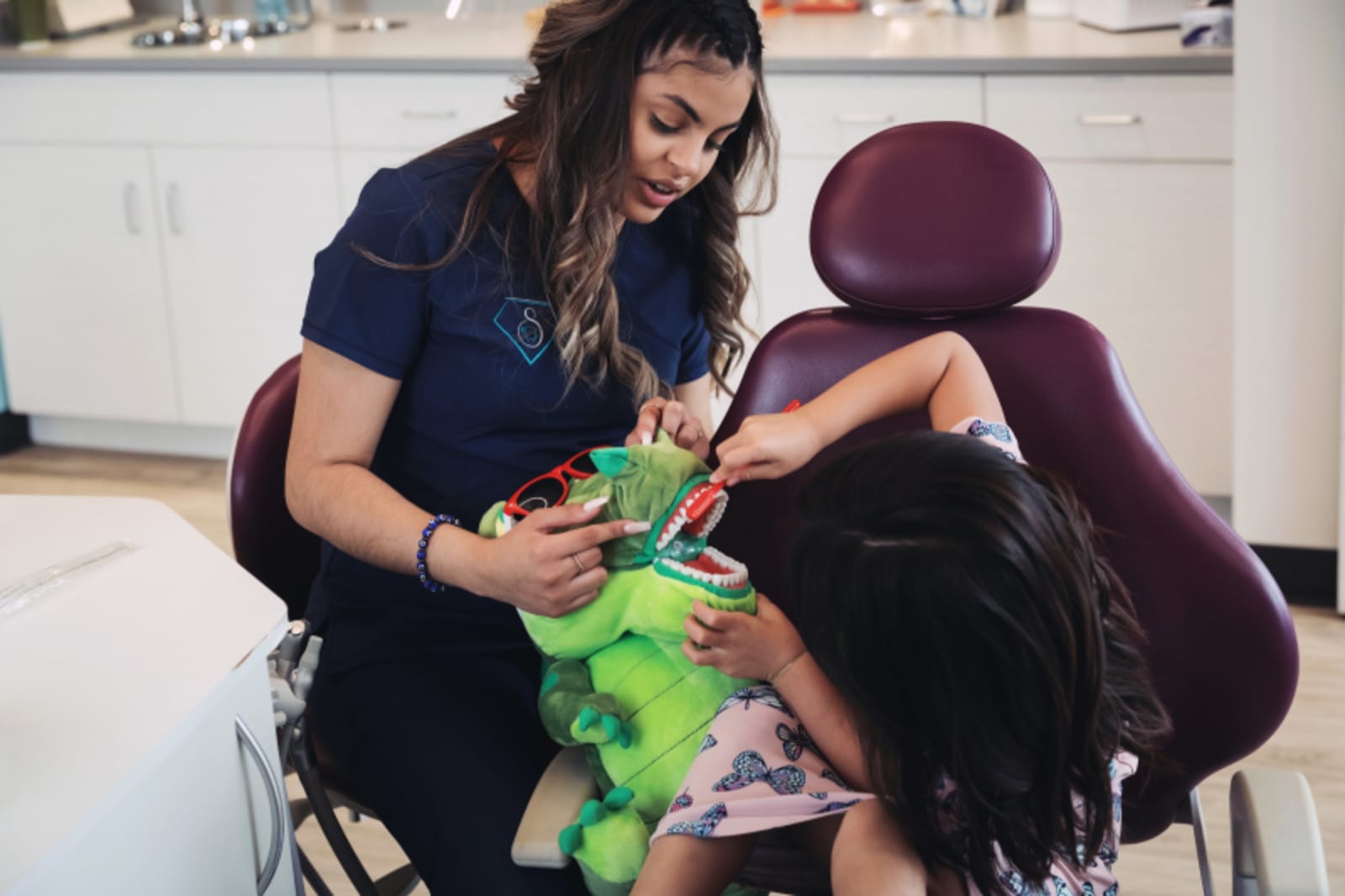
Before you come in, the most helpful thing you can do is describe the visit in simple, calm words. Something like "the dentist is going to paint a shield on your back teeth" works really well. Have your child brush that morning and eat a normal meal before the appointment. If this is your child's first time with us, our first visit page walks through what to expect. If your child does better at a certain time of day, just mention it when you schedule.
After the appointment, aftercare is easy:
Sealants fall under preventive care, the category most dental plans cover most generously for children. Many plans cover them fully within a certain age range and for specific teeth, though the details vary by policy.
We want you to know the cost before the appointment. Our team checks your child's benefits ahead of time and walks you through what's covered and what isn't. The total depends on how many teeth are being sealed and what your plan allows, so we go over it with you directly. If you have questions about coverage before you book, just ask when you call or schedule online.

We're a pediatric-only practice. No adult dentistry down the hall, no waiting room that feels like an afterthought. Everyone on the Sterling team spends the whole day with children, and that changes how a visit feels from the moment you walk in.
You'll find the same friendly faces and the same standard of care at every one of our offices.
Around age 6 for the first permanent molars and age 12 for the second set. We check at every routine visit and let you know when a tooth is ready.
No. There is no numbing, no drilling, and nothing touches the inside of the tooth. Most kids say the conditioning gel tastes a little sour, and that is honestly the worst of it.
Several years with normal chewing. If a back tooth starts feeling rough, catches on the tongue, or food gets stuck there again, let us know at the next visit. A touch-up is quick.
Sometimes. It depends on groove depth and cavity history rather than a fixed rule. We will talk it through with you before recommending anything.
No. Sealants cover only the chewing surfaces of the back teeth. The spaces between teeth and the gumline still need regular brushing, flossing, and a low-sugar diet to stay healthy.
A sealant visit is one of the gentlest appointments we offer, which actually makes it a great first step for kids who feel anxious. We follow your child's lead and never rush.
Sealants are a small, quiet decision that pays off for years. If their permanent molars are coming in, this is the right moment to protect them from cavities before they start.
Call our Sterling office at (703) 774-0014 and we'll find a time that fits your week. Come with questions about insurance, your child's anxiety, or what to expect at your first visit. We'd rather answer them now than have you wonder.

We can’t wait to meet you! Contact one of our five convenient locations around the DC area.
